






Upselling—the art of suggesting upgrades to a purchase—can help you grow your average order value (AOV) with relatively little marketing effort. These customers are already interested in your brand and products. Your job is to show them relevant upgrades at the right time and place. Done well, upselling can build upon your relationships as well as increase your revenue. But done poorly, you can come across as an aggressive car salesperson.
In this post, you’ll learn why product upsells are so important, what you should be offering, and how to do it.
What is upselling?
Upselling is a technique to persuade customers to purchase a more expensive, upgraded, or premium version of a purchased item or other items for the purpose of making a larger sale.
Upselling is based on selling to a customer who has already made a purchase rather than selling to a brand new one. Existing customers are also easier to speak to: They already have experience with your brand. Plus, upselling can get easier over time as customers become familiar with your products and make repeat purchases.
Repeat customers already have experience with your brand, which can make relevant offers easier to present.
With strategic upselling, merchants can increase average order value (AOV). This is arguably the biggest benefit to introducing upsell. Adding upsells at strategic points in a customer journey can help grow order sizes.
Not to mention, upselling can also help increase conversion rates. Because these post-purchase offers are targeted to your customer at a convenient point in their journey, buyer intent may be high, making customers more likely to complete the purchase.
The benefits aren’t one sided, though, and many extend to the customer’s experience as well. By effectively upselling and cross-selling, you can make sure the customer chooses the right product for them and that they have everything they need to use that product.
As an example, batteries are a perfect cross-sell item for products that don’t come with their own. Not only would this increase the total order value, it also prevents the customer from receiving an item they can’t use immediately.
Upselling vs cross-selling
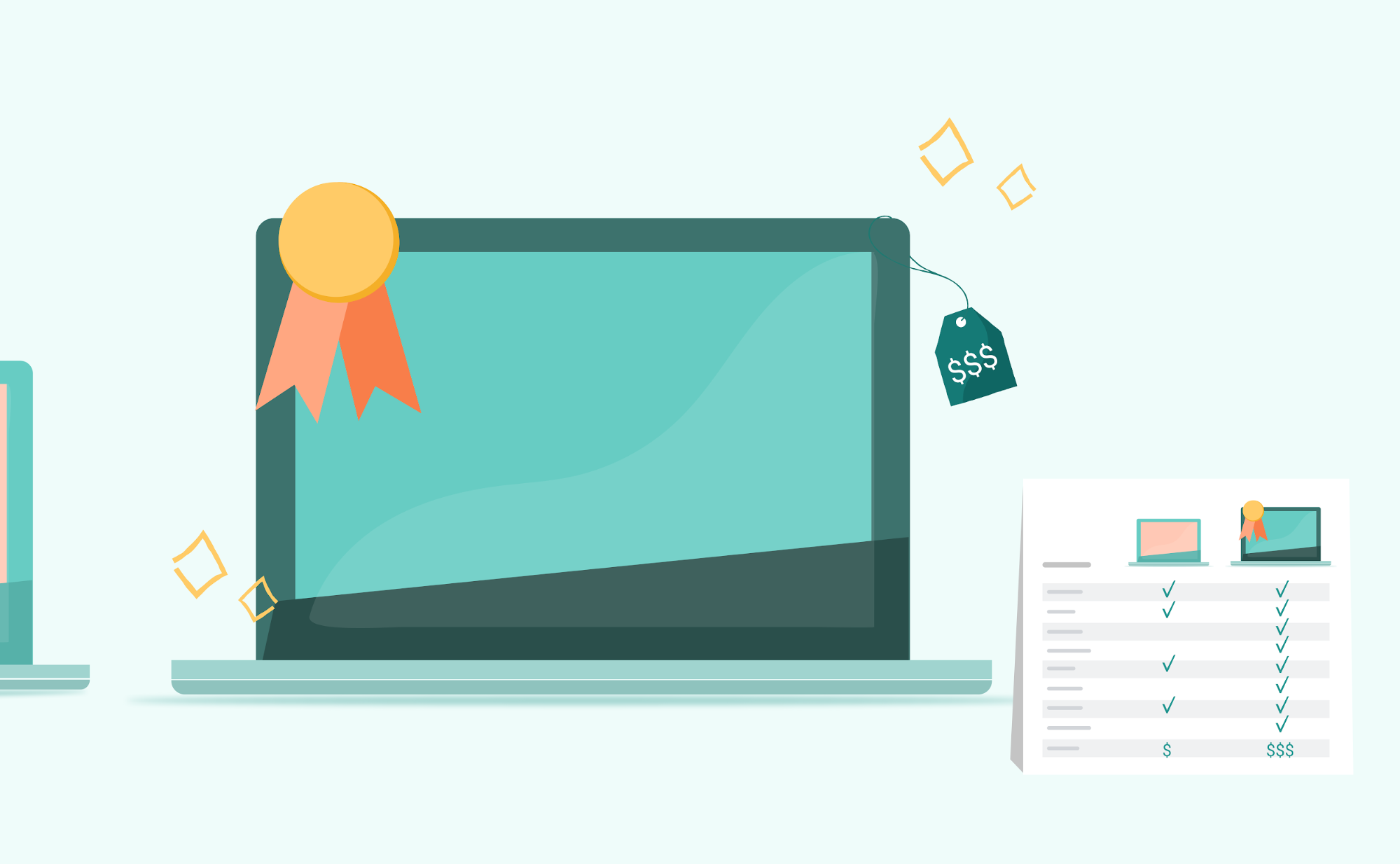
The main difference between upselling and cross-selling is that upselling involves upgrading to a pricier version of a product, while cross-selling targets selling related items. Both share the end goal of increasing a customer's order value.
Here's an example to help illustrate the difference.
Let’s say a visitor is looking at purchasing a 13-inch mid-range laptop for $1,200.

After selecting a laptop, the customer is immediately presented with several options for upgrading the processor. In this case, the merchant is trying to upsell the customer a more powerful (and expensive) computer. Essentially they’re trying to get the customer to spend more on the same product or product type that they are currently looking at.
After the customer selects the processor upgrade, they proceed to the next screen, where they’re presented with the option to add a printer to their order. A printer is a logical accessory for many computer consumers, and since it’s related to the original product that the customer was interested in, it’s considered a cross-sell.

Pre- vs. post-purchase upsells
You can upsell both before and after a sale (and even during). Traditionally, pre-purchase upsells happen before the purchase. Shoppers might see relevant product add-ons on the product page or on the cart page after they’ve selected an item and are ready to check out.
Pre-purchase upsells work great for free gifts or small purchases where the risk is low and it’s OK to not have as much information about the product. But upselling can, and should, happen post-purchase too.
Post-purchase upsells give shoppers the opportunity to add another item to their order without risking the conversion from their initial order.
Post-purchase upsells happen after a customer has successfully completed a transaction, on a post-purchase page or a thank-you page. These thank-you page or order confirmation page upsells are ideal ways to show customers how to make the most of their recent purchase. Shopify checkout app extensions can support experiences on post-purchase, thank you, and order status pages. Post-purchase upsell pages are more flexible and work great for discounts or small add-ons.
Pros of post-purchase upselling
Post-purchase upselling is beneficial for a number of reasons:
- No impact to the original purchase. Post-purchase upsells give shoppers the opportunity to add another item to their order without risking the conversion from their initial order. There is no disruption to the original sales funnel a customer goes through.
- Higher AOV. Post-transaction upsells can increase AOV by giving customers a convenient opportunity to add relevant items after completing their original purchase.
- Reduced checkout friction. One-click post-purchase upsells can make it easier for customers to add an offer without entering their payment information again.
Challenges of post-purchase upselling
That being said, post-purchase upsells don’t come without challenges:
- Relevance. If you don’t personalize your promotion, you add a point of friction that can discourage them from making a return purchase.
- Upsell fatigue. Hitting your customers over the head again and again, page after page, is only going to damage customer perception of your brand and may even hurt overall conversions.
How to upsell to customers
We keep mentioning the importance of choosing the right approach to your upsell strategy. But what does that actually mean? How do you go about your upsells in a way that makes sense for your customers and the bottom line?
1. Choose complementary products
Recommending products that complement products your customers have already purchased is one of the most common ways to upsell. The relevance can make customers more likely to consider the purchase, as opposed to a random product recommendation.
For example, the Edloe Finch product-page example below includes a “You might also like” section with additional pieces that complement what the shopper is already browsing.

This is a great way to entice buyers to furnish an entire room by showing them pieces that look great together. But it can work for nearly any business—just include a widget that shows similar products and see if your customers are interested.
Or, take a page from The Sill’s book and have complementary products pop up when a customer adds something to their cart. The “Don’t forget these!” heading can help a customer realize they need additional tools for their plants.

2. Discount products
Share discount coupons so customers can redeem them for their next purchase. Then showcase the items they could choose from.
You can do this by creating a popup on your website that gets visitors to opt in for cost savings, just like mattress company Purple did.

Or, after their initial purchase, you can create an email sequence that sends out an email with a discount for their next order. Make sure to add a date that the promo code ends to create a sense of urgency.
3. Offer an upgrade
Showcase the product a website visitor is interested in alongside an upgrade. Or, introduce a way to upgrade a product during checkout. This can help increase the overall order value from each customer.
For example, the Fly By Jing example below shows a variety pack of Sichuan sauces alongside other options at checkout.

A flower shop might offer ways to upgrade a vase at checkout, with each upgrade option costing slightly more than the last.
4. Create a subscription option
Providing a subscription option—even if it might not cost upfront—keeps customers coming back month after month until/unless they cancel their subscription. This is a great strategy for upselling a one-time purchase into a recurring purchase.
We see an example of this with skincare brand Beekman 1802. Customers can buy the serum for $47, or subscribe and save 15% on recurring monthly orders.

5. Provide free shipping
Another great way to upsell customers is by providing free shipping if the shopper hits a certain threshold. The Anthropologie example below illustrates how a free-shipping threshold can encourage shoppers to add more to their carts.

Decide what level makes sense for your business, whether it’s $25, $50, $100, or more. But offering free shipping can be helpful in getting customers to spend just a little bit more in order to avoid any shipping fees.
Tips to know for post-purchase upselling
Get personal
Personalization can influence what consumers purchase. Likewise, upsells work best when they’re highly relevant and targeted to what your customers are already buying. Upselling should improve the experience for your customer, not add friction or annoy them. Providing a relevant offering will also keep your customers coming back, increasing customer loyalty.
Plus, personalization can also encourage shoppers to consider products that are more expensive than they originally planned.
Learn more:
Consider the value
When choosing upsell and cross-sell products to display, avoid suggesting products that increase the overall order by too much. For example, if the original product the visitor is looking at is $100, consider whether a $25 add-on offers enough value to feel like a natural complement to the purchase.
Take a data-driven approach to decide what to upsell
You might have strong intuition, but you likely have data available to help you make smarter business decisions—and that’s very much the case when it comes to choosing which products to upsell. Use insights and historical sales to analyze your customer purchase behavior and choose products personalized to your buyers. If you notice a trend of product pairings, you know there’s an upsell opportunity.
It’s also important to make it a habit of checking in on your upsell campaigns. Rather than setting it and forgetting it, optimize your upselling by analyzing how customers perceive and convert from the recommendations.
Use email marketing to continue the conversation
Email marketing is an effective customer retention tool, allowing you to provide valuable content, promote products and campaigns, and generally stay top-of-mind. You can retain your customers and keep them coming back by sending them targeted newsletters and discounts.
Add a post-purchase upsell strategy to your business today
There are a lot of ways you can use upsell and cross-sell to enhance your customers’ purchase experience while increasing your average order size as well. The Shopify App Store includes apps that can help you execute cross-selling and upselling to your customers. Our recommendations:
- One Click Upsell ‑ Zipify OCU. Offer pre-purchase, in-checkout, post-purchase, and thank-you or order-status-page upsells.
- CartHook Post Purchase Upsell. Create tailored post-purchase offers, including one-click upsells, cross-sells, and discounts.
- Easy Post Purchase Promo Deals. Display post-purchase promotional offers after checkout.
- USO: Ultimate Special Offers. Create promotions such as post-purchase upsells, bundles, free gifts, and volume discounts.
Your primary motive for upselling may be increased sales and average order sizes, but it’s always important to consider the customer experience when designing upsell opportunities. Nudging customers to buy seemingly random products can leave them annoyed and confused. Carefully consider what makes the most sense to offer your customer and at which point of the buyer’s journey, and you’ll be well on your way to a profitable and positive upsell experience.
Read more
- How This 17 Year Old Turned a Love of Watches Into a $13,500 a Month Business
- The 13 Best Dropshipping Suppliers in 2024
- How to Sell on Amazon- A 7 Step Beginner's Guide
- Unlock Recurring Revenue with a Subscription Business Model
- AliExpress Dropshipping- How to Dropship From AliExpress
- How To Source Products To Sell Online
- What Is Affiliate Marketing and How to Get Started
- How to Sell Pre-Orders on Shopify
- How Paypal Fees Work with Shopify Payments
- How To Sell Your Products on Social Media
Upselling vs. Cross-Selling FAQ
What is a example of cross-selling?
What are the four types of upselling?
- Suggestive selling – A sales technique where the seller suggests a more expensive or upgraded version of the product or service the customer has expressed interest in.
- Cross-selling – A sales technique where the seller suggests related products or services that might complement the product or service the customer has expressed interest in.
- Bundling – A sales technique where the seller offers a discounted price when the customer purchases multiple products or services.
- Upgrading – A sales technique where the seller offers an upgraded version of the product or service the customer has expressed interest in.


